Designing a small bathroom requires a tailored approach that blends function, aesthetics, and durability. With the right choices, a compact space can feel larger and more usable. This guide shares small bathroom ideas backed by practical experience and professional insight, helping homeowners achieve both style and efficiency.
Why small bathrooms benefit from clever design
Small baths demand a strategic approach to layout, fixtures, and materials. As an interior designer with over a decade of experience in bathroom renovations, I’ve seen how deliberate decisions about scale, sightlines, and storage can dramatically improve daily use. A well-planned space reduces clutter, improves circulation, and elevates mood through light, color, and texture. The goal is to create a sanctuary that feels spacious even when square footage is limited.
Space-saving ideas
Layout and doors
Consider wall-to-wall planning that minimizes wasted space. If possible, replace a swinging door with a pocket or barn door to free floor area and maintain generous wall space for storage or a mirror. A shallow vanity (about 16–20 inches deep) leaves room for a comfortable turning radius and easier access to the toilet and shower.
Compact fixtures
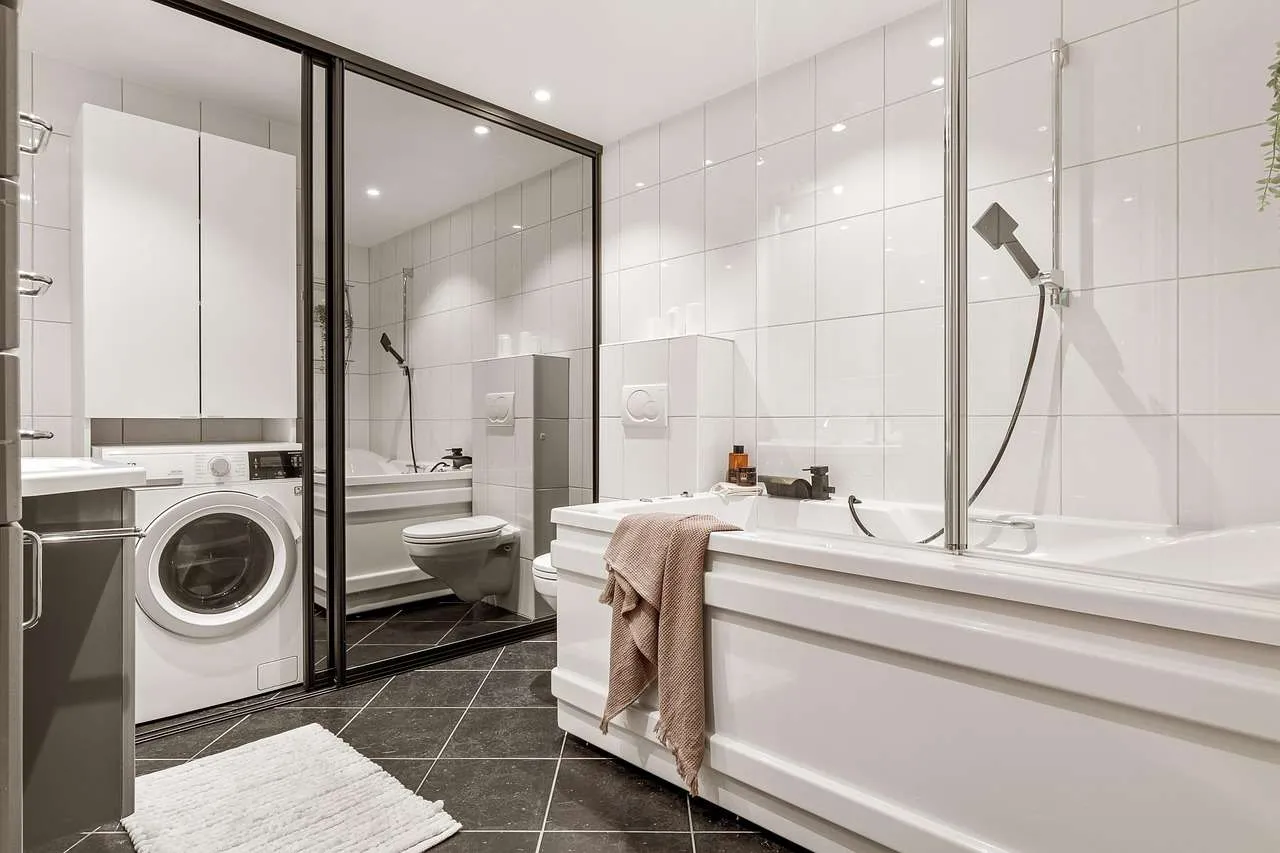
Opt for a wall-mounted vanity or a pedestal sink to visually lift the floor and create openness. Corner sinks, rounded edges, and compact toilets reduce footprint while preserving function. A frameless glass shower enclosure can visually expand the room by reducing visual barriers and allowing light to travel farther.
Smart storage solutions
Vertical storage matters more than horizontal. Use tall, narrow cabinets, recessed niches in the shower, and mirrored medicine cabinets to keep daily essentials hidden yet accessible. Over-the-toilet storage solutions, pull-out bins, and pegboard organizers inside cabinets add extra space without crowding the room.
Shower design
A walk-in or quadrant shower with a curved or hinged door saves space. When possible, choose a shower with a low-threshold entry for easy cleaning and a seamless glass pane to maintain a continuous line across the room. A light grout color and large-format tiles reduce visual breaks and make the area feel bigger.
Color, lighting, and finishes
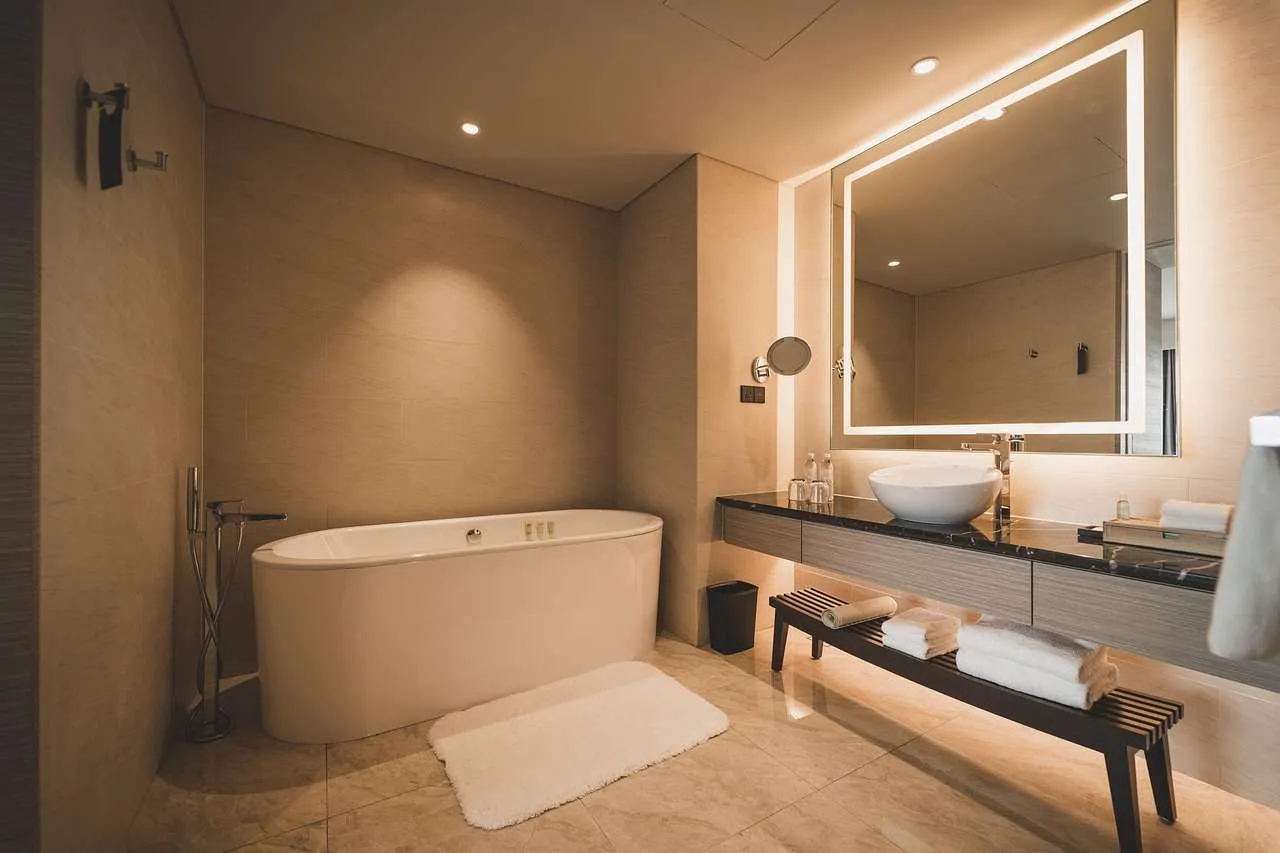
Light colors reflect more light and create a sense of airiness. I recommend soft neutrals with a bright white ceiling to bounce light downward. Use a large mirror or a duo of mirrors to amplify light and create depth. Layer lighting with ambient, task, and accent layers: recessed LED downlights, a vanity light, and under-cabinet LEDs for subtle illumination that makes the space feel larger.
Finish choices
Choose durable, water-resistant materials such as porcelain or ceramic tile, mist-resistant paint, and vinyl or porcelain-look options for countertops. Matte finishes reduce glare, while a polished surface on a vanity or tile helps wipe-clean maintenance. Ensure grouts are sealant-coated to prevent dampness and staining.
Materials, durability, and maintenance
Selecting materials that resist humidity and are easy to clean is essential in small baths. Porcelain tiles with a larger format reduce grout lines and create a more seamless look. Non-slip floor options matter for safety, especially in compact spaces where a fall would be more disruptive. If you prefer a high-end feel, consider quartz countertops and glass accents that remain forgiving in a moist environment. Always verify ANSI/CSA ratings for moisture resistance and long-term durability.
Budget and planning
Begin with a precise plan: measure all dimensions, map plumbing points, and determine where doors, vanities, and storage will be placed. Prioritize items that deliver the most impact per square foot, such as a glass shower, a wall-mounted vanity, and recessed storage. When budgeting, allow a buffer for trades, waterproofing, and contingency. A phased approach—renovating the essential areas first, then upgrading finishes—can help manage costs while achieving durable, long-lasting results.
Before and after ideas: quick comparison
| Idea | Pros | Cons | Typical Cost |
|---|---|---|---|
| Pocket door | Freeing doorway space, seamless flow | Framing and track complexity | $$ |
| Wall-mounted vanity | Keeps floor clear, improves cleaning | Limited storage options | $$ |
| Walk-in corner shower | Feels larger, accessible | Partial storage trade-off | $$$ |
| Frameless shower glass | Open, modern look | Maintenance of seals | $$ |
| Integrated lighting mirror | Bright, reduces ceiling clutter | Higher upfront cost | $$ |
These options illustrate how different design choices balance openness, storage, and cost. The best approach depends on your plumbing layout, family needs, and long-term plans for the home.
Summary, by focusing on compact, high-impact elements—like a wall-mounted vanity, recessed storage, and a glass shower—you can dramatically improve usability without sacrificing style. Pair smart lighting with light hues, and keep finishes simple and durable. With careful planning and a clear budget, small bathroom ideas become practical, livable spaces rather than compromises.